Save $500 on a New Roof Today
Essential Guide to Attic Venting Repairs: Tips and Best Practices
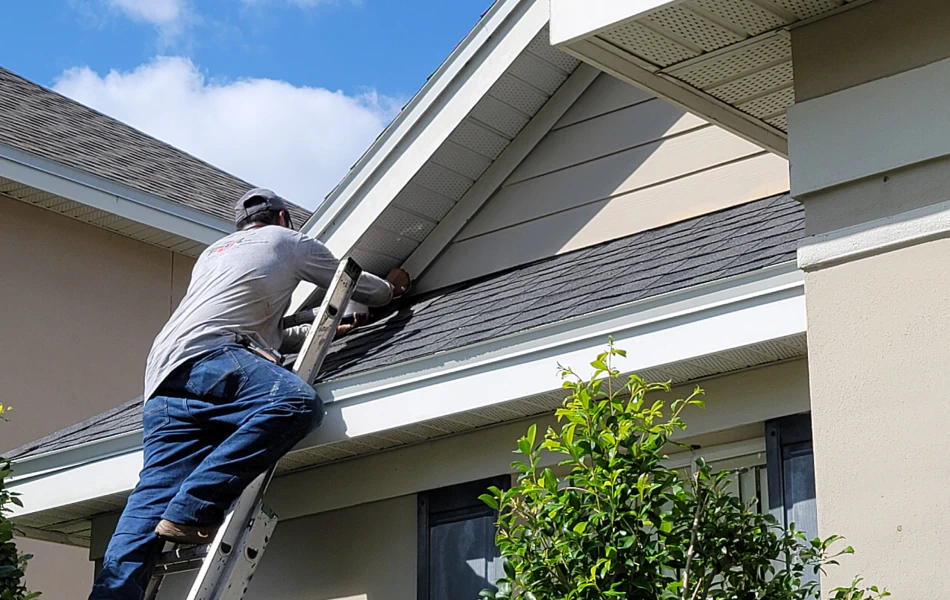
Why Attic Ventilation Matters in Orlando’s Climate
Attic ventilation serves as the critical system that regulates temperature and moisture levels in the space between your ceiling and roof. In Orlando’s subtropical environment, where summer temperatures regularly exceed 90 degrees and humidity levels remain consistently high, the attic space can reach temperatures of 140 degrees or higher without adequate airflow. This extreme heat buildup not only compromises the structural integrity of roofing materials but also forces cooling systems to work harder, resulting in significantly higher utility bills throughout the extended warm season.
The unique weather patterns in Central Florida create specific challenges for attic ventilation systems. Our region experiences intense afternoon thunderstorms from June through September, often delivering substantial rainfall in short bursts. When ventilation components become damaged or blocked, these moisture events can lead to trapped humidity in attic spaces. Combined with the constant heat, this moisture creates ideal conditions for mold growth, wood rot, and insulation degradation. Homeowners throughout Orange County frequently discover that ventilation problems develop gradually, with damage accumulating over months or years before becoming visible in living spaces below.
Properly functioning intake and exhaust vents work together to create continuous air movement through the attic cavity. Intake vents, typically located along soffits or lower roof sections, allow cooler outside air to enter, while exhaust vents positioned near the roof peak release hot, moist air. When this balanced system becomes disrupted through damage, deterioration, or improper installation, the consequences affect every component of your roofing system. Shingles exposed to excessive heat experience accelerated aging, adhesive strips fail prematurely, and organic materials become vulnerable to moisture-related decay. For Orlando property owners, addressing ventilation repairs promptly protects the substantial investment represented by your roofing system and helps maintain comfortable, efficient interior conditions year-round.
Recognizing When Your System Needs Attention
Most homeowners first notice ventilation problems through indirect symptoms rather than visible damage to the ventilation components themselves. One of the most common indicators appears during cooling season when certain rooms remain uncomfortably warm despite continuous air conditioning operation. When attic temperatures climb excessively due to poor ventilation, heat radiates downward through ceiling materials, creating hot spots in upper-floor rooms or making entire single-story homes difficult to cool. This scenario plays out frequently in neighborhoods throughout Seminole and Volusia Counties, where homes built during construction booms may have undersized or improperly configured ventilation systems.
Moisture-related warning signs provide another clear indication that ventilation repairs have become necessary. Homeowners who discover water stains on ceiling surfaces, particularly after heavy rain events, sometimes assume they have developed a roof leak. While active leaks certainly require immediate attention, moisture accumulation can also result from condensation forming when warm, humid air becomes trapped in poorly ventilated attic spaces. This condensation drips onto insulation and ceiling materials below, creating stains that mimic leak damage. Additionally, musty odors emanating from upper levels or visible mold growth on attic surfaces indicate that moisture levels have exceeded safe thresholds.
Physical deterioration of roofing materials often signals underlying ventilation deficiencies. Shingles that curl, buckle, or show uneven wear patterns across different roof sections may be experiencing damage from trapped heat rather than normal aging. Ice damming rarely occurs in Florida, but the principle remains relevant: when attic temperatures vary significantly from outdoor conditions, roofing materials endure stress that shortens their functional lifespan. During routine roof inspection services, professionals assess ventilation adequacy alongside material condition, identifying problems before they escalate into costly structural repairs. Observant property owners who notice unusually high energy bills, premature shingle failure, or persistent moisture issues should schedule an evaluation to determine whether ventilation repairs can resolve these ongoing concerns.
How Effective Airflow Protects Your Investment
A properly designed and maintained ventilation system delivers multiple benefits that extend throughout your property. Temperature regulation stands as the most immediate advantage, with balanced airflow preventing the extreme heat buildup that degrades roofing materials and strains cooling equipment. When intake and exhaust components function as designed, attic temperatures typically remain within 10 to 15 degrees of outdoor ambient temperatures. This moderate temperature differential reduces thermal stress on shingles, underlayment, and decking materials, allowing these components to achieve their expected service life. For homes throughout Lake and Brevard Counties, where replacement costs for roofing systems represent significant expenses, this extended material longevity translates directly into financial savings.
Moisture control represents an equally important benefit of effective ventilation. Florida’s high humidity levels mean that attic spaces constantly face the risk of moisture accumulation, particularly during summer months when temperature differentials between conditioned interior spaces and superheated attics create conditions favorable for condensation. Continuous airflow removes this moisture before it can saturate insulation, condense on wooden framing members, or promote mold and mildew growth. Insulation that remains dry maintains its thermal resistance value, helping your cooling system operate efficiently. Structural lumber protected from moisture-related degradation retains its strength and stability, preventing the costly repairs associated with rot damage.
Energy efficiency improvements constitute a third major advantage of properly functioning ventilation systems. When attic temperatures remain controlled, less heat transfers through ceiling assemblies into living spaces below. This reduction in heat gain means air conditioning systems cycle less frequently and consume less electricity to maintain comfortable indoor temperatures. The cumulative effect over months and years results in substantially lower utility costs. Additionally, cooling equipment that operates under less demanding conditions experiences reduced wear, potentially extending service intervals and delaying expensive replacement needs. Property owners who invest in ventilation repairs or upgrades frequently report noticeable improvements in indoor comfort levels alongside measurable reductions in monthly energy consumption.
Professional ventilation repair begins with a thorough assessment of your current system configuration and condition. Qualified contractors examine both intake and exhaust components, measuring their size, placement, and operational status. This evaluation includes calculating the net free ventilation area available and comparing it against building code requirements for your specific roof size and pitch. Modern building standards typically specify one square foot of ventilation area for every 150 square feet of attic space, with balanced distribution between intake and exhaust openings. Many older homes throughout Osceola and Polk Counties were constructed before current ventilation standards took effect, making them candidates for system upgrades rather than simple repairs.
Once the assessment identifies specific deficiencies, contractors develop a repair plan tailored to your property’s needs. Common repair scenarios include replacing damaged soffit vents that have become blocked by insulation, debris, or pest activity. Ridge vents that have separated from roof decking or sustained storm damage require reattachment or replacement to restore proper exhaust function. Gable vents, turbine ventilators, and powered attic fans each have specific maintenance and repair requirements that professionals address according to manufacturer specifications and industry standards. In situations where existing ventilation proves inadequate for the attic volume, contractors may recommend installing additional intake or exhaust points to achieve proper balance.
The physical repair work typically proceeds efficiently once materials arrive and weather conditions permit safe roof access. Contractors remove damaged components, prepare mounting surfaces, and install replacement units with appropriate flashing and weatherproofing measures. Quality installations include attention to details such as proper screen mesh to exclude insects and wildlife, secure fastening that withstands high winds, and appropriate sealants that prevent water intrusion around penetrations. Throughout Marion and Sumter Counties, property owners who prioritize professional roof repair services benefit from installations that meet or exceed manufacturer warranties and building code requirements. Following completion, contractors often provide documentation of the work performed, including photographs, material specifications, and maintenance recommendations that help you protect your investment over time. This systematic approach ensures that repaired ventilation systems deliver reliable performance for years to come.
What to Expect During Ventilation Restoration
Professional ventilation repair begins with a thorough assessment of your current system configuration and condition. Qualified contractors examine both intake and exhaust components, measuring their size, placement, and operational status. This evaluation includes calculating the net free ventilation area available and comparing it against building code requirements for your specific roof size and pitch. Modern building standards typically specify one square foot of ventilation area for every 150 square feet of attic space, with balanced distribution between intake and exhaust openings. Many older homes throughout Osceola and Polk Counties were constructed before current ventilation standards took effect, making them candidates for system upgrades rather than simple repairs.
Once the assessment identifies specific deficiencies, contractors develop a repair plan tailored to your property’s needs. Common repair scenarios include replacing damaged soffit vents that have become blocked by insulation, debris, or pest activity. Ridge vents that have separated from roof decking or sustained storm damage require reattachment or replacement to restore proper exhaust function. Gable vents, turbine ventilators, and powered attic fans each have specific maintenance and repair requirements that professionals address according to manufacturer specifications and industry standards. In situations where existing ventilation proves inadequate for the attic volume, contractors may recommend installing additional intake or exhaust points to achieve proper balance.
The physical repair work typically proceeds efficiently once materials arrive and weather conditions permit safe roof access. Contractors remove damaged components, prepare mounting surfaces, and install replacement units with appropriate flashing and weatherproofing measures. Quality installations include attention to details such as proper screen mesh to exclude insects and wildlife, secure fastening that withstands high winds, and appropriate sealants that prevent water intrusion around penetrations. Throughout Marion and Sumter Counties, property owners who prioritize professional roof repair services benefit from installations that meet or exceed manufacturer warranties and building code requirements. Following completion, contractors often provide documentation of the work performed, including photographs, material specifications, and maintenance recommendations that help you protect your investment over time. This systematic approach ensures that repaired ventilation systems deliver reliable performance for years to come.
Protecting Your Ventilation System Long-Term
Regular maintenance helps ventilation systems continue functioning effectively between major repair interventions. Homeowners can perform simple visual inspections several times annually, checking that soffit vents remain free of obstructions such as leaves, wasp nests, or accumulated dirt. From ground level or using binoculars, you can verify that ridge vents, gable vents, and turbine units appear intact without visible damage. Inside the attic space, periodic checks confirm that insulation has not shifted to block intake vents along eave areas, a common problem that develops gradually as insulation settles or when additional material gets added during energy efficiency upgrades. These basic maintenance activities take minimal time but help identify developing issues before they compromise system performance.
Certain maintenance tasks require professional equipment and training to complete safely and effectively. Powered attic ventilators contain electrical components and moving parts that should be serviced by qualified technicians. Annual inspections can verify that motors operate smoothly, thermostats activate at appropriate temperatures, and electrical connections remain secure. Similarly, thorough cleaning of ventilation pathways, removal of accumulated debris from roof-mounted units, and assessment of weatherproofing integrity around penetrations benefit from professional attention. Contractors who specialize in attic venting services possess the specialized knowledge and tools needed to maintain these systems properly, ensuring they continue delivering optimal performance.
Knowing when to schedule professional evaluation versus attempting repairs yourself protects both your safety and your property. Any work that requires roof access involves fall risks that increase substantially during hot weather when surface temperatures make materials slippery and heat stress affects physical performance. Similarly, modifications to ventilation systems should follow engineering principles and building codes to avoid creating imbalances that worsen rather than improve airflow. Since 1991, our team has provided specialized roofing services throughout Central Florida, including ventilation assessment, repair, and optimization. Our accreditation and decades of experience with local building conditions mean we understand the specific challenges Orlando properties face. Whether you need emergency repairs following storm damage, systematic upgrades to undersized ventilation systems, or routine maintenance to protect your existing investment, our professionals deliver solutions that combine durability with superior craftsmanship. Contact us today to schedule an evaluation and discover how proper ventilation repairs can enhance your property’s performance, comfort, and longevity.